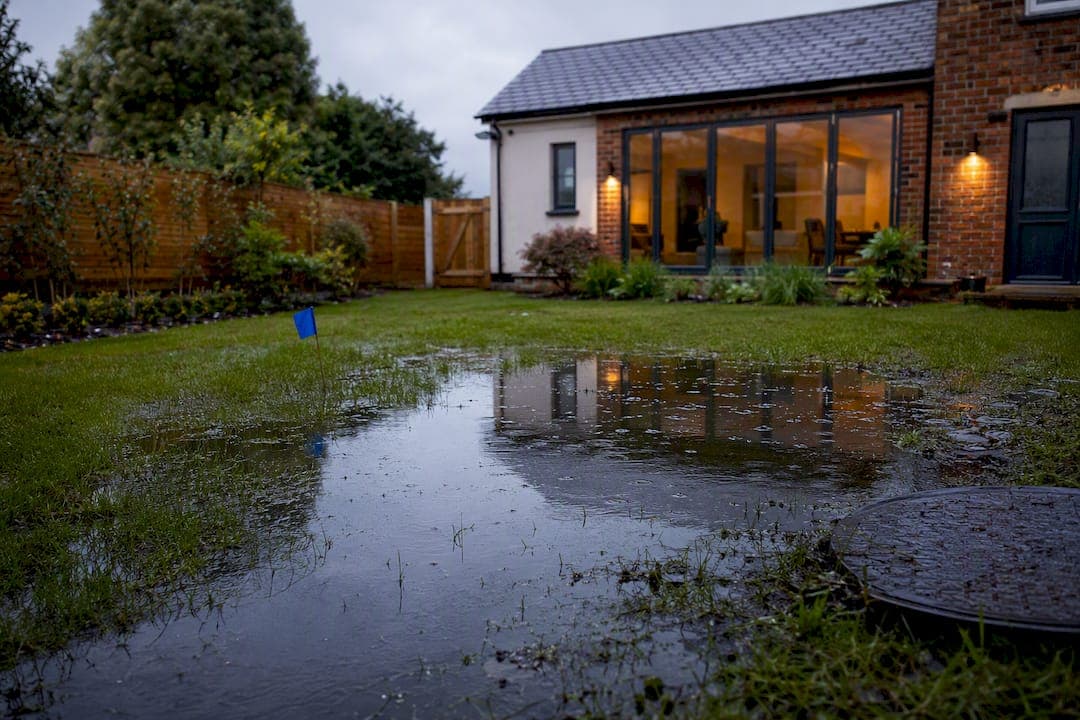
If you're seeing persistent standing water in the garden, gurgling drains, or sewage smells indoors, your soakaway is probably failing. Stop running water where you can, avoid flushing more than necessary, and get a professional inspection booked before the ground around your drainage field turns into a bigger problem.
TL;DR:
- Silt buildup inside the soakaway is the most common cause of failure and can often be fixed if caught early through inspection.
- Signs of failure include lingering surface water, lush grass patches, soft ground, and slow-draining drains or gurgling toilets indoors.
- Avoid attempting DIY jetting on a suspected silted soakaway, as high pressure may worsen structural collapse and make repairs more costly.
- Routine maintenance such as regular desludging and installing a silt trap can significantly extend the lifespan of a healthy soakaway system.
- Urgent signs like sewage backup, continuous flooding, or treatment plant alarms require immediate professional inspection and diagnosis.
Table of Contents
- Soakaway failure signs: what your garden is telling you
- Indoor signs: drains, toilets and alarms to watch for
- Common causes of soakaway failure
- What to do now: immediate actions to reduce harm
- Diagnosing the fault: inspections and tests a professional will use
- Preventative maintenance and extending service life
- When to call a professional (and what to expect from them)
- A local drainage engineer's honest take
- Get a proper inspection before the problem gets expensive
- Sources
- FAQ
Soakaway failure signs: what your garden is telling you
A soakaway that's coping fine looks boring. Grass grows evenly, the ground drains within hours of rain, and nobody thinks about it. Once it starts to struggle, the garden becomes the first warning system.
Watch for these outward signs:
- Standing water that lingers over the soakaway area 24 to 48 hours after rain has stopped
- Patches of unusually lush, dark green or spongy grass, often in a rough rectangle where the soakaway crates sit
- Sunken dips or soft ground you can feel underfoot
- Gullies or drainage channels that take far longer than normal to empty
These symptoms usually point to one of three things: the voids inside the soakaway have silted up, the surrounding soil has become compacted or waterlogged, or the structure itself has partially collapsed. Standing water that refuses to drain after rain, combined with spongy ground and surface pooling, is one of the more reliable indicators of a genuine soakaway problem rather than a one-off heavy downpour. A soakaway relies on gravity and porous ground to disperse water into surrounding soil. When silt clogs the stone-filled voids or a high water table leaves no spare capacity, water has nowhere to go except back up to the surface.
Pro Tip: Photograph any standing water with a date stamp. If it reappears in the same spot after two or three dry spells, that pattern is far more useful to a drainage engineer than a single soggy afternoon.
Indoor signs: drains, toilets and alarms to watch for
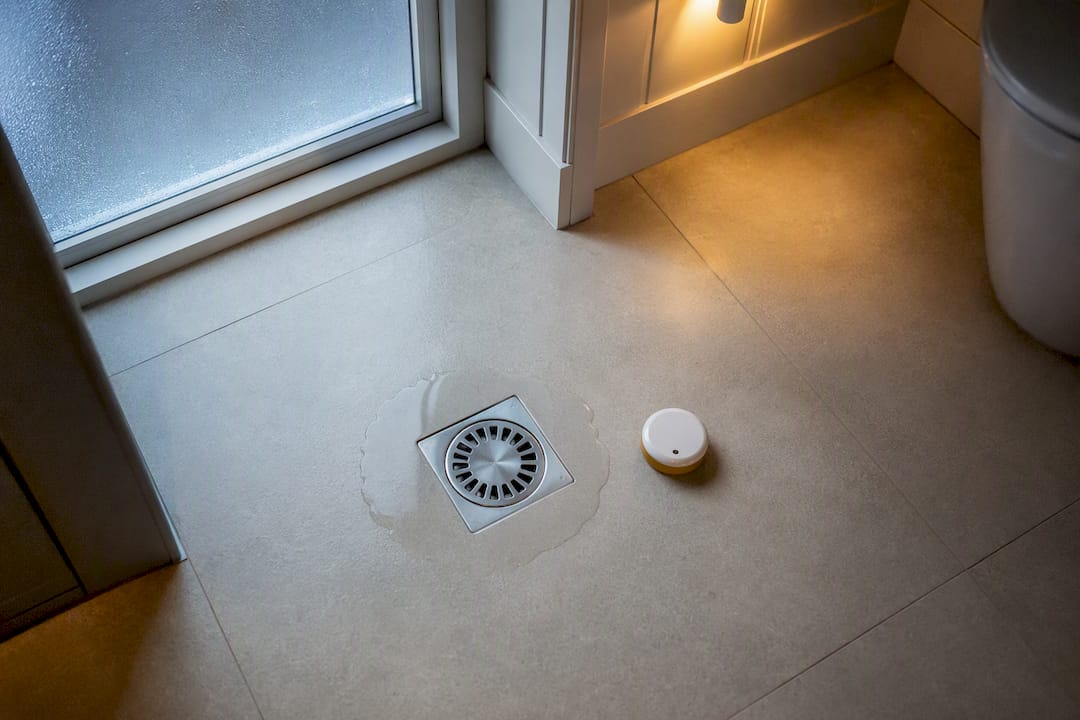
Garden symptoms often show up alongside indoor ones, and the two together make a much stronger case for a failing drainage field than either on its own.
Inside the house, look out for:
- Toilets that gurgle after flushing, particularly the one furthest from the main drain run
- Sinks, baths or showers that drain slowly even after you've cleared visible hair and debris
- A rising level or an audible alarm on a septic tank or sewage treatment plant
- Foul odours near the soakaway, in the garden, or drifting back through internal drains
Gurgling toilets, slow-draining fixtures, rising levels in septic tanks or treatment plants, and foul odours are among the clearest indoor indicators that a drainage field is struggling. Before assuming the worst, rule out a simple local blockage. Run a jug of water down the slowest drain and time it. Check whether the problem affects one fixture or several. If gurgling and slow drainage show up across multiple rooms at once, especially after rain, that's a soakaway pattern rather than a single blocked trap. Our guide to gurgling drains covers the quick checks worth running first.
Common causes of soakaway failure
Most failures trace back to a small handful of causes, and knowing which one you're dealing with changes whether a clean or a rebuild is the sensible next step.
- Siltation and blinding. Fine silt and organic matter gradually coat the stone or crate voids inside the soakaway, reducing its ability to absorb water. This is the single most common technical cause of soakaway failure, and it's also the most fixable if caught early.
- Poor ground conditions. Clay soils, a seasonally high water table, or compacted subsoil around the pit all limit how fast water can disperse, regardless of how clean the soakaway itself is.
- Undersized or poorly built systems. A soakaway sized for a smaller roof or fewer hard-standing areas than it actually serves will overload quickly, and damaged feed pipework compounds the problem.
- Incorrect connections. Roof water or, worse, foul waste tied into a system never designed for it accelerates failure dramatically. Connecting foul drainage to a rainwater soakaway is illegal in the UK and will rapidly block or contaminate the drainage field.
What to do now: immediate actions to reduce harm
Once you suspect a failing soakaway, what you do in the next few hours matters more than most homeowners realise.
- Cut back heavy water use immediately. Hold off on washing machines, dishwashers, and long showers until the system has a chance to recover or you've had it inspected.
- Never jet a suspected silted soakaway yourself. High-pressure jetting can clear a blocked pipe run, but forcing water into a silted soakaway pit compacts the sediment further and can accelerate structural collapse.
- Clear what's safely accessible. If you can reach a gully grid or an inspection cover without lifting heavy chambers, remove leaves and surface debris. Leave anything below ground to a professional.
- Record everything and call for help. Note dates, weather conditions, and exactly which fixtures are affected before your inspection.
Pro Tip: A DIY drain rod or a hired jetting machine is fine for a blocked toilet trap. It is the wrong tool for a soakaway, where the fault usually sits in the ground itself rather than the pipe.
Diagnosing the fault: inspections and tests a professional will use
A proper diagnosis rarely relies on guesswork. Three checks together tell an engineer what's actually happening underground.
- CCTV drain survey of the feed pipework and inspection chambers, spotting collapsed sections, root ingress, or blockages before they reach the soakaway
- Percolation test, following the principles set out in BRE Digest 365, to measure how quickly the surrounding soil actually absorbs water
- Visual inspection of manholes, silt traps and any pre-treatment chambers
Combining a CCTV survey with percolation testing and a manhole inspection is the standard way to separate a pipework fault from genuine siltation or structural collapse. If the percolation test passes and the fault sits in the pipework, cleaning and repair usually solves it. If the soil itself fails to absorb water at an adequate rate, no amount of cleaning will fix that, and rebuild becomes the realistic option.
Preventative maintenance and extending service life
Most soakaways don't fail overnight. They fail because nobody's been maintaining them, which is both the bad news and the good news, since it means the biggest risk factor is entirely within your control.
- Book regular desludging of septic tanks or treatment plants so solids never carry over into the soakaway itself
- Fit a silt trap if your system doesn't have one, and have it emptied on schedule
- Check gully sumps and pre-treatment chambers periodically rather than waiting for a symptom
- Never connect foul waste to a rainwater soakaway, and check any recent building work hasn't done this by accident
A soakaway without preventative maintenance, particularly one lacking a silt trap and going years without desludging, is the common pattern behind early failure. Most well-maintained systems need attention roughly every 10 to 15 years, and systems without silt traps often fail sooner than that.
Pro Tip: Set a calendar reminder for silt trap emptying rather than waiting for standing water to remind you. By the time the garden shows symptoms, the soakaway has usually already lost a fair amount of capacity.
When to call a professional (and what to expect from them)
Some signs mean pick up the phone now, not next week. Sewage backing up inside the property, continuous backups after every flush, or a treatment plant alarm sounding are all urgent, not wait-and-see, situations.
A competent engineer visiting for a suspected soakaway issue should offer:
- CCTV inspection of the pipework leading to the soakaway
- Percolation testing where a structural or capacity issue is suspected
- Jetting to clear the connecting pipes, not the soakaway pit itself
- A clear recommendation: clean, repair, or rebuild with a new silt trap
Ask for CCTV footage, a written percolation result, and a fixed price before work starts. Repeated flooding shortly after a soakaway has been cleared is usually a sign that replacement, not further cleaning, is the answer.
A local drainage engineer's honest take
Most soakaway failures I hear about didn't need to reach crisis point. Homeowners wait through two or three soggy winters before booking an inspection, by which point silt has packed in hard and a simple clean is off the table. Book the CCTV survey the first time the garden looks wrong, not the third.
— Christopher
Get a proper inspection before the problem gets expensive
A local drainage specialist covers Ellesmere Port, Wirral, Chester and the surrounding area, and a suspected soakaway issue is exactly the kind of job where guessing costs more than checking. Rather than reaching for a jetting hose yourself, or waiting to see if the standing water clears on its own, book a CCTV drain survey and get a straight answer about what's happening underground.

For pipework issues rather than soakaway saturation, high-pressure jetting sorts blockages fast, and our drainage services cover both. Typical response time is around 90 minutes, pricing is agreed upfront with no hidden extras, and if the situation is urgent, whether that's a sewage backup or a treatment plant alarm, our emergency callout service is available around the clock. Have your postcode, a rough timeline of when symptoms started, and access details for manholes or inspection chambers ready when you call.
Sources
For homeowners who want to go deeper on the technical side, BRE Digest 365 principles underpin most percolation testing carried out today, and worth a look before agreeing to any rebuild quote. General drain maintenance standards are also covered by Red Eagle's drain unblocking guidance, useful background on what routine upkeep should look like.
- Top Signs Your Drainage Field Is Failing – IHS Systems
- Top five reasons for drainage field (soakaway) failure
- Soakaway Failure Signs UK: Spot Problems Before They Spread
FAQ
How Long Does Diagnosing A Soakaway Fault Take?
A CCTV survey and percolation test can usually be arranged and completed within a day or two of booking, though results interpretation and a repair quote may take a little longer.
Can A Failing Soakaway Fix Itself Over Time?
No. Siltation and ground saturation don't reverse on their own, and delaying inspection typically means more sediment packs in before anyone addresses it.
Is It Safe To Jet A Soakaway Myself?
Jetting pipework is fine for a blockage, but forcing high-pressure water into a silted soakaway pit can compact sediment further and worsen structural damage, so leave that decision to a professional.
How Much Does A Soakaway Repair Or Replacement Typically Cost?
Costs vary widely depending on whether the fix is a clean, a partial rebuild, or a full replacement with a new silt trap, so a site-specific quote after inspection is the only reliable figure.
What's The First Thing I Should Do If I Suspect Soakaway Failure?
Cut back on heavy water use, avoid DIY jetting, and book a CCTV survey or percolation test with a drainage professional such as Budget Rodz to confirm the cause.