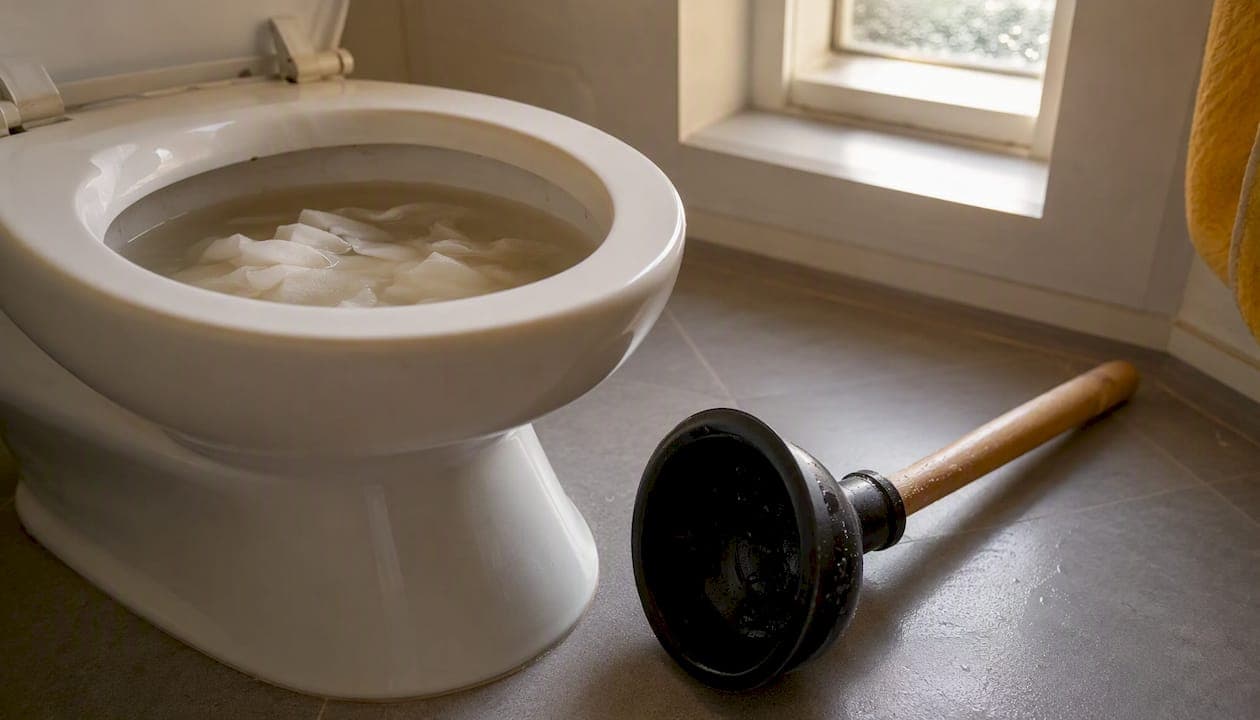
Flushing paper towels down the toilet is a mistake — they do not break down in water and will almost always cause a blockage. If you have just done it, stop flushing immediately, close the cistern lid, and turn off the water supply at the stop valve (usually found beneath the cistern or under the sink nearby). Do not flush again to "push it through." That is the single most common thing people do that turns a minor clog into an overflow.
Red flags that mean you should call a professional right now, not attempt DIY:
- Water is rising towards the rim or has already overflowed
- You can smell sewage in the bathroom or elsewhere in the house
- Water is backing up into a bath, shower, or basin on the same floor
- The blockage has returned more than once in a short period
If none of those apply, read on. There are several practical steps you can take before reaching for the phone.
Pro Tip: Turn the cistern inlet valve clockwise to stop the cistern refilling. This removes the temptation to flush again and buys you time to assess the situation calmly.
Key takeaways
Paper towels must never be flushed: they retain structural integrity when wet, cause blockages in household and municipal pipes, and cannot be dissolved quickly by any home remedy.
| Point | Details |
|---|---|
| Never flush paper towels | They are designed to stay intact when wet and will block household and municipal drains. |
| Stop flushing immediately | Turn off the cistern inlet and stop valve the moment you suspect a blockage. |
| Try mechanical methods first | A flange plunger or toilet auger is more effective than any chemical for paper-towel blockages. |
| Call a pro when DIY fails | Sewage backing up, persistent blockages, or no drainage after two attempts all warrant a professional callout. |
| Budgetrodz for local emergencies | Budgetrodz covers Ellesmere Port, Wirral, Chester, and surrounding areas with a typical 90-minute response and fixed pricing. |
Table of Contents
- Why paper towels don't break down the way toilet paper does
- What to do in the minutes after flushing paper towels
- Step-by-step DIY methods to clear the blockage
- Signs you need a professional and what they will do
- How Budgetrodz handles a paper-towel blockage
- Practical steps to prevent paper-towel blockages
- Why flushing paper towels matters beyond your own toilet
- The thing most people get wrong about blocked toilets
- Blocked toilet? Budgetrodz can be there in 90 minutes
- Useful sources
Why paper towels don't break down the way toilet paper does
Toilet paper is manufactured specifically to disintegrate in water within seconds. Paper towels are not. They are made from stronger wood pulp fibres with tighter bonding, designed to stay intact when wet so they can absorb spills without falling apart. That is exactly the property that makes them so useful on a kitchen worktop and so dangerous in a drain.
Authoritative campus guidance from UC Davis Facilities Management makes the point plainly: only toilet paper is designed to break down quickly in a sewer system. Paper towels, wipes, and similar items are explicitly listed as non-flushable because they retain their structure long after flushing.
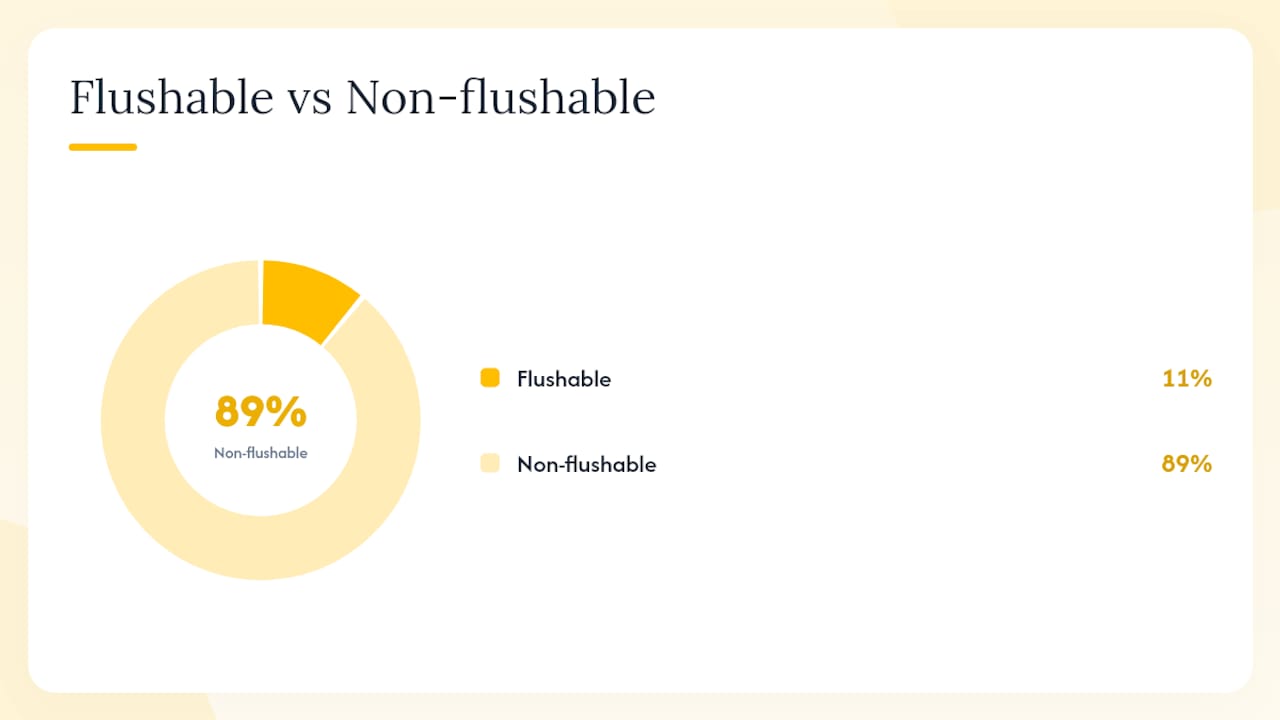
A word on "flushable" labelling. Some products carry this claim, but the label refers only to whether the item will pass through the toilet trap — not whether it will survive the full journey through household pipework and municipal sewers. Many items marketed as flushable still cause blockages in household and municipal systems because they do not disintegrate at the rate toilet paper does.
The same logic applies to sanitary products. Tampons, sanitary towels, and hygiene wipes contain absorbent polymers and non-biodegradable fibres that expand when wet and remain intact in pipes. A tampon clog or sanitary towel blocked toilet is handled the same way as a paper-towel blockage — mechanical removal, not chemicals.
Quick reference: what to flush and what to bin
| Item | Safe to flush? |
|---|---|
| Toilet paper | Yes |
| Paper towels | No |
| Wet wipes (even "flushable") | No |
| Tampons | No |
| Sanitary towels / pads | No |
| Cotton wool / cotton buds | No |
| Facial tissues / Kleenex | No |
| Nappies | No |
| Dental floss | No |
What to do in the minutes after flushing paper towels
Speed matters here. The longer a paper towel sits in the trap or pipe, the more it absorbs water and swells, and the harder it becomes to shift.
Do:
- Stop flushing the moment you suspect a blockage
- Turn the cistern inlet valve off (clockwise) to prevent the cistern refilling
- Locate and close the stop valve for that toilet if water is rising
- Lay old towels or newspaper around the base of the pan to protect flooring
- Put on rubber gloves before touching anything in or around the pan
- Check whether any paper towel is visible and reachable by hand before attempting any tool
Don't:
- Flush repeatedly hoping the pressure will clear it — this is the fastest route to an overflow
- Pour boiling water directly into the pan (it can crack the porcelain)
- Reach for a caustic drain cleaner as a first response — more on why below
- Push a mop handle or broom down the pan, which risks pushing the blockage deeper or damaging the trap
Pro Tip: If the water level is high but not overflowing, use a small jug or cup to bail some water out of the pan into a bucket before you start plunging. Less water in the pan means less splash and a better seal for the plunger.
Hygiene matters throughout. Toilet water contains bacteria, and contact with sewage or drain contents carries genuine health risks. Wear rubber gloves, wash hands thoroughly afterwards, and disinfect any surfaces the water has touched.
Step-by-step DIY methods to clear the blockage
Work through these in order. Start with the least invasive and only move to the next if the previous method has not worked after a genuine attempt.
What to have ready before you start:
- A flange plunger (the one with a rubber cup that folds out at the bottom — not a flat cup plunger, which is for sinks)
- A toilet auger (also called a closet auger or toilet snake)
- A bucket
- Rubber gloves
- Old towels
Method 1: gentle plunging
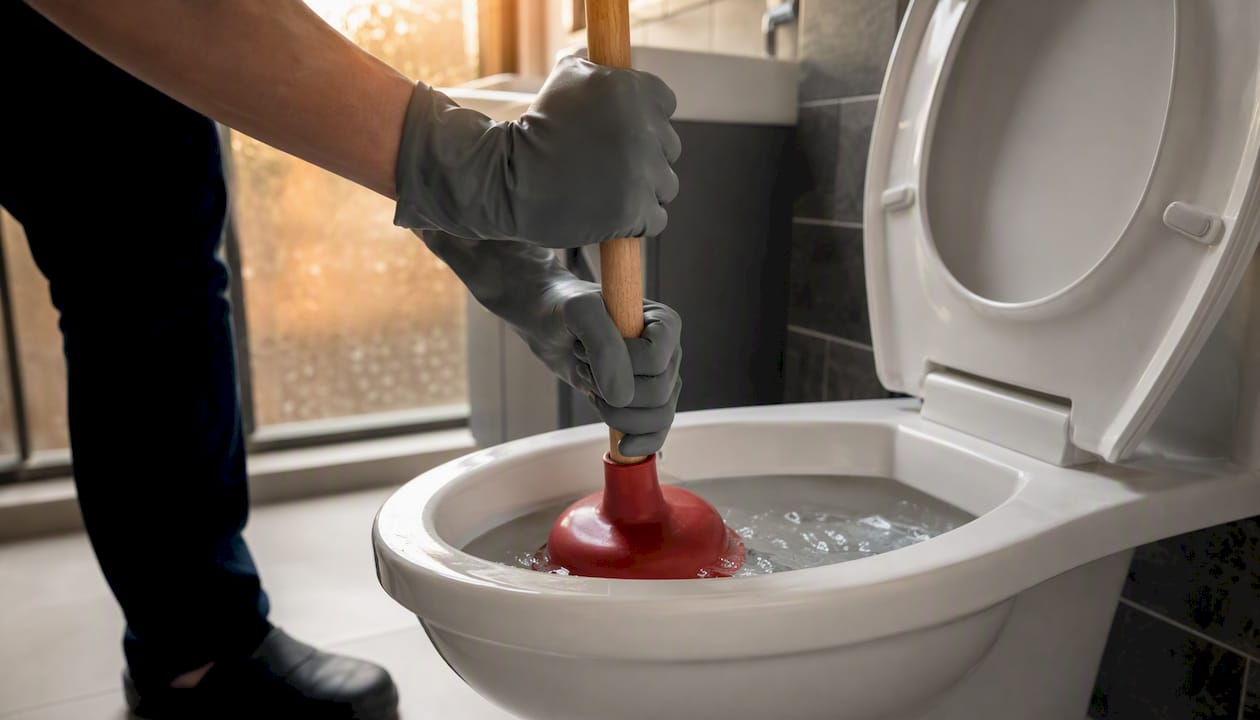
Insert the flange plunger so the rubber cup seals fully over the drain hole. Push down slowly to expel air, then pull back sharply. Repeat with steady, rhythmic strokes for 20–30 seconds. The goal is suction, not brute force. If the water starts to drain, flush once cautiously to test. This approach works well for partial blockages where the paper towel is still near the trap.
Method 2: hot water and washing-up liquid
Pour a generous squirt of washing-up liquid into the pan, then slowly add hot (not boiling) water from a height of about 30 cm. The soap lubricates the blockage and the heat softens it slightly. Leave it for 10–15 minutes, then try plunging again. This works best when the paper towel is lodged at a bend rather than deep in the pipe.
Method 3: manual removal
If you can see the paper towel in the pan, the most reliable fix is simply to pull it out. Wear thick rubber gloves, reach in carefully, and remove as much material as you can. Unpleasant, but effective.
Method 4: toilet auger
A toilet auger is a coiled cable with a protective sleeve designed to pass through the toilet trap without scratching the porcelain. Feed the cable into the drain, rotating the handle clockwise as you push. When you feel resistance, continue rotating to either break up the blockage or hook the paper towel so you can pull it back out. This is the most effective DIY tool for a paper-towel blockage that plunging has not shifted. If you do not own one, you can attempt alternatives, though they are less reliable for solid material.
Method 5: enzyme-based drain cleaner
Enzyme cleaners (products such as Bio-Clean or similar enzyme drain treatments available from UK plumbing suppliers) work by introducing bacteria that digest organic material. They are safe for pipes and septic systems. Pour the recommended dose into the pan, leave overnight, and flush in the morning. Realistic expectation: they help with residual paper fibre after the main blockage has been cleared mechanically, but they will not shift a solid paper-towel clog on their own within a useful timeframe.
Stop DIY and call a professional if:
- The water level is not dropping after two or three genuine attempts
- You can hear gurgling from other drains in the house
- The toilet has blocked more than twice in a short period
- You have used an auger and cannot locate or shift the blockage
Signs you need a professional and what they will do
Some blockages are beyond DIY. Knowing when to stop saves time, money, and the risk of making things worse.
Call a professional when:
- Water is not draining at all and DIY attempts have failed
- Sewage is backing up into other fixtures (bath, basin, shower)
- You can smell sewer gas in the bathroom or elsewhere
- The blockage keeps returning within days or weeks
- You suspect the paper towel has passed beyond the toilet trap into the main drain
What a professional will do:
- Toilet auger / snaking: the first tool most drainage engineers reach for; clears blockages in the trap and upper pipe
- High-pressure jetting: forces water at high pressure through the pipe to break up and flush away accumulated material; particularly effective when paper towels have collected debris and formed a larger mass
- CCTV inspection: a small camera is fed into the drain to locate the exact position and nature of the blockage; useful for recurring problems or when the cause is unclear. A CCTV drain survey also produces a written report, which is useful for landlords and property managers
- Manhole check: for suspected blockages in the shared or main drain, the engineer will check the nearest manhole to assess flow and confirm where the problem sits
UK cost and timeline expectations:
An emergency callout for a blocked toilet in the UK typically costs in the range of £80–£200 depending on the time of day, location, and complexity. A scheduled visit for a non-urgent blockage is usually at the lower end of that range. CCTV surveys are generally quoted separately and priced by pipe length and access. Always ask for a fixed price before work begins, and confirm whether VAT is included.
Questions to ask any drainage engineer on arrival:
- Can I see your identification and company details?
- What method will you use and why?
- Is the price fixed, and does it include VAT?
- Will I receive a written report or CCTV footage?
- Is there a guarantee on the work?
How Budgetrodz handles a paper-towel blockage
When Budgetrodz receives a call about a blocked toilet in Ellesmere Port, Wirral, Chester, or the surrounding areas, the typical response time is 90 minutes. The engineer arrives with a full kit: toilet auger, high-pressure jetting equipment, and a CCTV camera unit.
The standard arrival routine covers safety first: isolating the water supply if it has not already been done, assessing whether there is any overflow risk, and confirming the blockage location before any tools go near the pan. For a straightforward paper-towel blockage, the auger usually clears it in a single visit. Where the paper towel has collected grease, hair, or other debris and formed a larger mass further down the pipe, high-pressure jetting is used to break it up and flush the pipe clean.
For recurring blockages or cases where the cause is not immediately obvious, a CCTV inspection identifies exactly where the problem is and whether there is any underlying pipe damage contributing to it. Budgetrodz provides transparent, fixed pricing with no hidden call-out fees, and the 5.0 Google rating from over 50 reviews reflects a consistent record of same-visit resolution.
What to have ready when Budgetrodz (or any drainage engineer) arrives:
- Water supply to the toilet isolated if possible
- Access to the bathroom cleared
- Note of when the blockage started and what was flushed
- Any previous blockage history for that toilet
Practical steps to prevent paper-towel blockages
Prevention is straightforward once the habit is in place.
- Place a small lidded pedal bin next to every toilet in the house, including en suites and cloakrooms — if there is no bin, people will flush
- Use disposal bags (nappy sacks work well) inside the bin to make emptying hygienic and odour-free
- In shared bathrooms or rental properties, a simple printed sign works well: "Please place paper towels, wipes, and sanitary products in the bin — not the toilet. Thank you." University facilities teams use exactly this approach in shared buildings
- Stock toilet paper only in the toilet area; keep paper towels in the kitchen where they belong
- Brief visitors and new household members — it takes ten seconds and avoids a £150 callout
- For households with young children, consider a bin with a child-resistant lid to prevent items being retrieved and re-flushed
If you are a landlord or property manager, a bin in every bathroom is a low-cost measure that reduces the likelihood of a blocked drain callout significantly. Commercial properties — restaurants, offices, and shared workplaces — benefit from scheduled preventative drain cleaning, which catches accumulation before it becomes an emergency.
Why flushing paper towels matters beyond your own toilet
The consequences of flushing paper towels do not stop at your U-bend.
- Paper towels that pass through the household trap can lodge at bends in the shared drain, creating blockages that affect neighbouring properties
- Accumulated non-flushable material in municipal sewers contributes to fatbergs — large, solid masses of fat, wipes, and fibrous material that block major sewer pipes and cost water companies millions of pounds to remove
- Items that pass through treatment works can exit into rivers and coastal waters, adding persistent fibre pollution to the environment
- The cumulative cost of clearing non-flushable material from public sewers is ultimately passed on through water bills
Public-works guidance is consistent on this point: the only thing that should go down a toilet, beyond human waste, is toilet paper. Everything else belongs in the bin.
If you suspect a blockage has reached the public sewer rather than your private drain, contact your local water company. In the North West, that is United Utilities; they are responsible for the public sewer network and will investigate a shared or street-level blockage at no charge to you.
The thing most people get wrong about blocked toilets
Most people reach for a chemical drain cleaner the moment something won't flush. It feels like doing something. But for a paper-towel blockage, it is almost always the wrong move — not just ineffective, but potentially damaging to older pipework and genuinely hazardous if you mix products or splash caustic liquid in a confined space.
The better instinct is mechanical. A decent flange plunger costs under £10 and clears the majority of toilet blockages on the first attempt. A toilet auger costs around £20–£30 and handles most of what a plunger cannot. Between those two tools, the average homeowner can resolve a paper-towel blockage without spending a penny on chemicals or calling anyone out.
What I find more interesting is the prevention side. The single most effective intervention is also the cheapest: a bin next to the toilet. Not a sign, not a lecture, not a policy — just a bin. Remove the friction and people make the right choice automatically. The blockages that Budgetrodz attends most often in shared houses and rental properties are not accidents; they are the predictable result of a bathroom with no bin and no alternative.
Blocked toilet? Budgetrodz can be there in 90 minutes
A paper-towel blockage that DIY methods have not shifted needs a professional with the right equipment, not a stronger chemical. Budgetrodz provides emergency drain unblocking across Ellesmere Port, Wirral, Chester, Liverpool, Wrexham, and North Wales, with a typical response time of 90 minutes and fixed, transparent pricing from the moment you call.
The team arrives with a toilet auger, high-pressure jetting equipment, and a CCTV camera unit — the full kit to locate, clear, and confirm the blockage in a single visit. No hidden call-out fees, no vague estimates. For recurring blockages or suspected pipe damage, a CCTV drain survey gives you a written report and a clear picture of what is happening underground.
To book an emergency callout or get a fixed quote, visit budgetrodz.com or call directly. Have the toilet location, a brief description of what was flushed, and any previous blockage history ready — it helps the engineer arrive prepared.
Useful sources
The guidance in this article draws on the following authoritative sources. All are worth bookmarking if you manage a property or want to understand drain health in more detail.
- What not to flush down the toilet
- Flush This, Not That | Facilities Management
- Can I Flush Paper towels Down the Toilet? – Consequences, Fixes, and Expert Advice
- Should You Flush Tampons? — Healthline
- Paper Towels Belong in the Trash
- atsdr.cdc.gov
For a public sewer overflow in the North West, contact United Utilities directly — they are responsible for the shared sewer network and will investigate street-level or shared-drain blockages without charge to the householder.