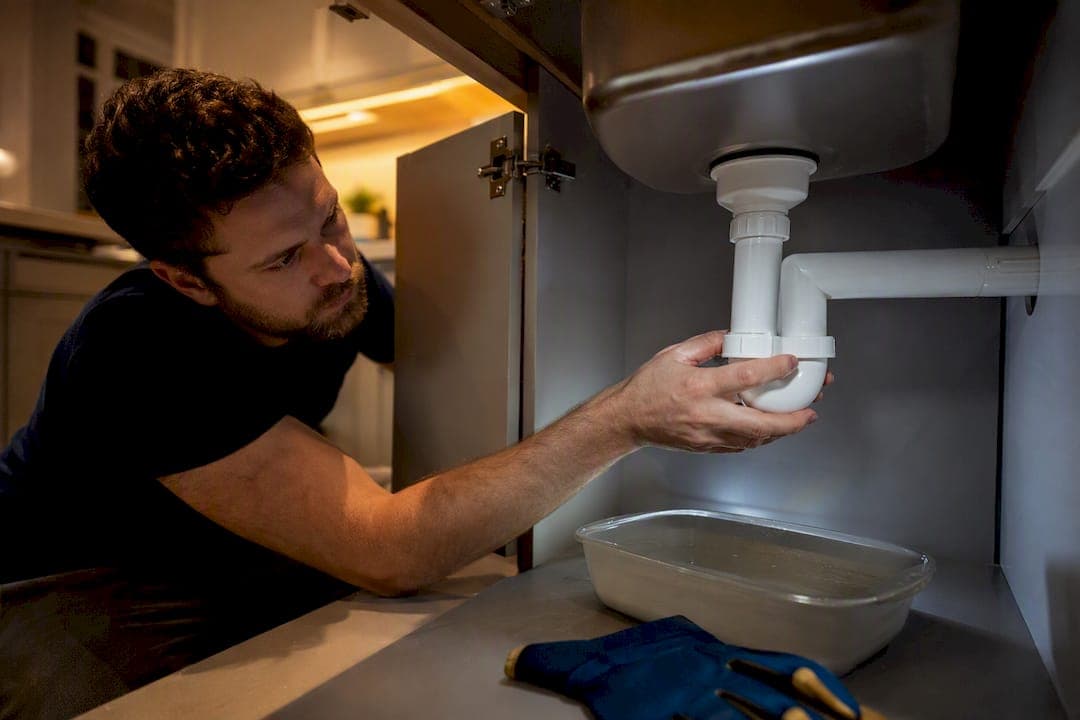
Bail the standing water out first, then run a staged boiling-water flush to cut through grease. If that doesn't shift it, seal the overflow and plunge properly. Still stuck? Take the U-bend off and clean it out by hand. If several fixtures are backing up at once, or the smell won't shift, stop and call a professional.
TL;DR:
- Removing grease buildup with staged boiling water is most effective, but deeper or solid blockages often require professional jetting and CCTV inspection.
- Regular maintenance, including using enzyme treatments and fat traps, can prevent recurring grease and organic residue clogs in pipes.
- DIY efforts typically succeed in clearing the trap but may fail further down the line, especially if multiple fixtures back up or the smell persists.
- Avoid caustic cleaners and excessive force on fittings, as they can damage pipes and cause hazardous residues or leaks.
- When multiple attempts fail or the issue worsens, professional technicians can diagnose and resolve deeper pipe problems swiftly and safely.
Table of Contents
- Quick actions to try now (3 to 5 minute fixes)
- How to remove and clean the U-bend safely
- What if the U-bend is clear but the sink is still slow?
- Safety mistakes that make a blocked sink worse
- Simple habits that stop the blockage coming back
- A quick word on when DIY genuinely isn't enough
- When to call Budget Rodz and what happens next
- Sources
Quick actions to try now (3 to 5 minute fixes)
Before you touch anything else, empty the standing water into a bucket or bowl. A full basin makes every other fix harder and messier, and it hides whether your first attempt has actually worked.
Once the sink's clear, work through these in order:
- Boil a kettle and pour it in stages. Three or four pours, thirty seconds apart, work far better on grease clogs than one big dump. The heat needs time to soften fat sitting further down the pipe.
- Seal the overflow hole with a wet cloth, then plunge. A sink plunger only creates suction if air can't escape through that little overflow gap, so sealing it properly matters more than how hard you push. Six to eight firm plunges is usually enough to tell you if it's working.
- Try baking soda and vinegar if you'd rather avoid chemicals: half a cup of each, left for fifteen minutes, flushed with hot water. It's mild and won't harm your pipes, but don't expect it to shift a solid grease plug on its own.
Pro Tip: Run the hot tap for a few seconds after any of these steps. If the water drains away quicker than before but still isn't perfect, you've probably loosened the blockage rather than cleared it, and it may return within a day.
How to remove and clean the U-bend safely
Most kitchen clogs sit in the U-bend, the curved pipe under the sink, because it's the point where grease and debris naturally settle and slow down. Removing it is the single most effective DIY step you can take, and most sink blockages clear once this section is cleaned out.
Before you start, gather rubber gloves, a bucket, an old towel, a torch, and either an adjustable spanner or your own hands if the fittings are plastic hand-tight connectors. Lay the towel down first. Whatever's in that trap is coming out, and it won't smell pleasant.
- Place the bucket directly under the trap. Loosen the two connecting nuts, usually by hand if they're plastic, with a spanner if they're older metal fittings that have seized slightly.
- Let the trap drain into the bucket. Expect grey, smelly water and whatever's been building up: food scraps, coffee grounds, or a solid grease plug.
- Clean the trap thoroughly. A bottle brush works well for the curved section. Check for anything wedged in the bend, a small object, a fruit stone, or a hardened lump of fat, and check the pipe walls aren't cracked or corroded.
- Reassemble carefully. If a threaded joint feels loose, wrap it in PTFE tape before tightening. A light smear of washing-up liquid around a stiff seal can help it seat properly without overtightening, which is the most common cause of a leak after reassembly. Run the tap for a minute and check every joint for drips.
Pro Tip: Never overtighten plastic trap nuts. They only need to be snug, hand-tight plus a small turn. Cracked plastic from over-tightening is one of the most common jobs we see follow a DIY U-bend clean.
What if the U-bend is clear but the sink is still slow?
A clean trap with a slow drain points to a blockage further down the pipe, past where you can reach by hand. This is where a manual drain snake earns its keep.
- Feed the snake's flexible cable into the pipe past the trap connection, turning the handle as you push to help it navigate bends.
- When you feel resistance, keep turning gently rather than forcing it. This usually means you've hit the clog rather than a pipe joint.
- Rotate and pull back slowly to draw debris out with the cable rather than just pushing it further down.
- If the snake comes back clean but water still won't drain properly, you're likely dealing with something beyond a simple auger's reach.
For ongoing maintenance rather than a stubborn clog, enzyme-based drain treatments are worth using monthly. They work by breaking down organic residue biologically rather than chemically, which makes them far gentler on pipework than caustic alternatives. Hydro jetting and powered augers can clear deeper or more stubborn blockages, but they're not tools for home use. They need the right pressure calibration and pipe knowledge to avoid damaging older or fragile pipework, which is exactly why this stage tends to mark the line between DIY and calling someone in.
Safety mistakes that make a blocked sink worse
Caustic drain cleaners might look like the fast option, but they can corrode certain pipe materials and leave hazardous residue behind for anyone who later has to work on that drain by hand, including you.
A few rules worth sticking to:
- Never add more water to an already-overflowing basin. Bail it out first, always.
- Don't force a snake or plunge repeatedly if you're meeting solid resistance; you risk damaging the pipe joints.
- Check whether a waste disposal unit or dishwasher shares the same drain line before you start dismantling anything.
- If you smell sewage, or water backs up into a different fixture entirely, stop. That's a sign of a problem beyond the kitchen sink itself, and it usually means an underlying blockage further down the line.
Simple habits that stop the blockage coming back
A £3 mesh strainer over your plughole catches the food scraps and coffee grounds that cause most repeat clogs, and it takes seconds to empty. Scrape plates into the bin before washing up, not into the sink, and that habit alone prevents the majority of grease buildup.
- Collect used cooking oil and fat in an old jar or tin rather than pouring it down the drain; it solidifies in the pipe exactly the way it does in the jar.
- Run a hot-water flush through the sink after washing up, especially after cooking anything fatty.
- Use an enzyme treatment monthly rather than waiting for a slowdown; regular low-level maintenance meaningfully reduces recurring grease clogs over time.
- If the same drain keeps clogging every few weeks despite this, that's a pattern worth investigating properly rather than just clearing again.
Pro Tip: Keep a small tub by the sink specifically for fat and food waste. Out of sight means it goes down the drain out of habit, not because it belongs there.
A quick word on when DIY genuinely isn't enough
Christopher, who leads on-site work for Budgetrodz across Ellesmere Port and Wirral, sees the same pattern often: a homeowner clears the trap, the sink drains fine for two days, then it's back. That usually means the clog sits further down the shared line, not in the trap at all. One recent job needed a CCTV camera to find a collapsed section a previous tenant's grease habit had slowly built up over years, cleared properly with jetting rather than another round of snaking. Catching that early saves you from repeating the same fix every month.
— Christopher
When to call Budget Rodz and what happens next
If you've bailed, boiled, plunged, and pulled the trap apart and the sink is still backing up, that's the point to stop DIY-ing and get someone in. It's especially true if more than one fixture is affected, the smell keeps returning, or water is coming back up somewhere it shouldn't.

Budgetrodz runs a typical 90-minute response across Ellesmere Port, Wirral, Chester, and the surrounding area, with high-pressure jetting and CCTV inspection used to find and clear blockages that DIY tools simply can't reach. Every job is quoted upfront with fixed pricing, so there's no surprise invoice at the end of a callout that started as "just a slow sink". If your kitchen drain keeps clogging every few weeks despite doing everything right, that's usually a sign of a deeper issue a CCTV survey will actually show you, rather than another round of guesswork. Book an emergency callout and someone will be on their way within the hour and a half.