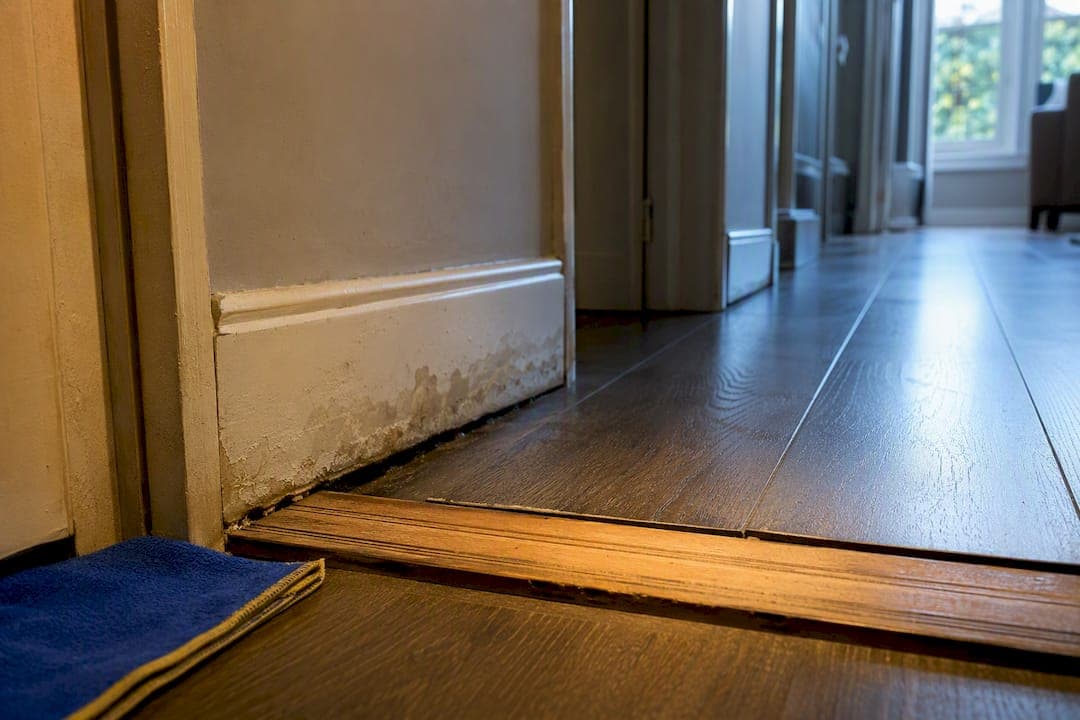
If water is pooling somewhere it shouldn't, your drains are gurgling, and there's a whiff of sewage in the garden, you're probably dealing with a hidden drain or sewer leak rather than a supply-pipe problem. Stop using the affected drains, avoid flushing anything until you know more, and call a specialist who can run a CCTV drain survey. Budget Rodz and similar local specialists can usually get eyes on the problem within hours, not days.
TL;DR:
- Drain leaks often cause slow, quiet damage over weeks or months, risking foundation undermining, rot, and soil erosion before detection.
- Using the water meter can help differentiate drain leaks from supply leaks, with constant meter readings indicating a drain or sewer issue.
- Professionals rely on CCTV drain surveys complemented by acoustic, dye, or wet testing methods to locate buried leaks precisely.
- Trenchless repairs like pipe relining offer decades-long solutions for minor damage, while open excavation is only necessary for severe or shifted pipes.
- Immediate actions should include safety checks, halting drain use, documenting damage, and consulting specialists to avoid insurance claim complications.
Table of Contents
- What are the signs of a drain leak under your house?
- What should you do in the first hour after finding a leak?
- How do professionals find a hidden drain leak?
- What repair options exist and what drives the cost?
- When should you call a professional and what should you ask them?
- How can you prevent future drain leaks?
- Realistic expectations from a local drain specialist
- Need fast help with a suspected drain leak?
- Sources
What are the signs of a drain leak under your house?
A leaking drain rarely announces itself with a dramatic burst. It seeps quietly for weeks, sometimes months, before anyone notices. That's what makes it more damaging than a supply-pipe leak in some ways: the water and waste have had time to undermine foundations, rot timber, or wash out bedding sand beneath a patio.
Indoors, the tell-tale signs include a persistent musty or sewage smell that doesn't shift with ventilation, drains that gurgle when you're not even running a tap, slow-draining sinks with no obvious blockage, and damp patches or warped skirting boards near ground-floor rooms. If a bathroom floor near an internal soil stack starts to feel soft underfoot, that's not a coincidence.
Outdoors, watch for ground that stays wet days after rain has stopped, or a strip of lawn that's noticeably greener and lusher than the rest. That's not good luck with your soil. Effluent leaking from a broken drain run acts as fertiliser, and a green patch tracking the line of a buried pipe is one of the more reliable outdoor clues. Sinking or uneven ground, sometimes forming a shallow dip or small sinkhole, points to a more advanced problem where soil has been washed away beneath the surface.
Your water meter can help you tell drain leaks apart from supply leaks. A common check:
- Turn off every tap and appliance, then watch the meter for movement. Steady ticking over means a supply-side leak.
- If the meter is still and you're seeing damp patches or smells only when drains are used, that points to a drain or sewer leak instead, since foul water doesn't pass through the meter.
- A sudden jump in your water bill without a matching supply leak often means wastewater is escaping somewhere it shouldn't.
The distinction matters because a supply leak just wastes clean water. A drain leak contaminates soil, can undermine foundations, and creates a genuine health hazard if sewage reaches living space.
What should you do in the first hour after finding a leak?
Damage from a hidden drain leak compounds by the hour, so the order you act in matters as much as the actions themselves.
- Check for immediate hazards first. Standing water near electrical sockets, consumer units, or appliances is a shock risk. Cut power to affected circuits at the fuse board if you can do so safely, and don't wade into contaminated water.
- Stop using the affected fixtures. If there's a sewage smell or any sign of backflow, avoid flushing toilets or running sinks on that line. Every flush adds more waste to a system that's already failing.
- Isolate water where it's sensible to do so. You don't always need to shut off the mains for a drain leak, since it's wastewater rather than incoming supply causing the problem, but isolating a specific appliance or toilet can buy you time.
- Photograph everything. Damp patches, discoloured walls, meter readings, and the state of your garden all help both your contractor and your insurer build an accurate picture.
- Note the time and sequence of events. When did you first notice the smell? When did the patch of lawn start looking different? Insurers often want this detail when assessing a claim for consequential water damage.
Pro Tip: Don't start ripping up flooring or digging in the garden before a professional has surveyed the leak. Destroying the evidence trail before it's documented can complicate an insurance claim, and you risk cutting through the exact pipe you're trying to save.
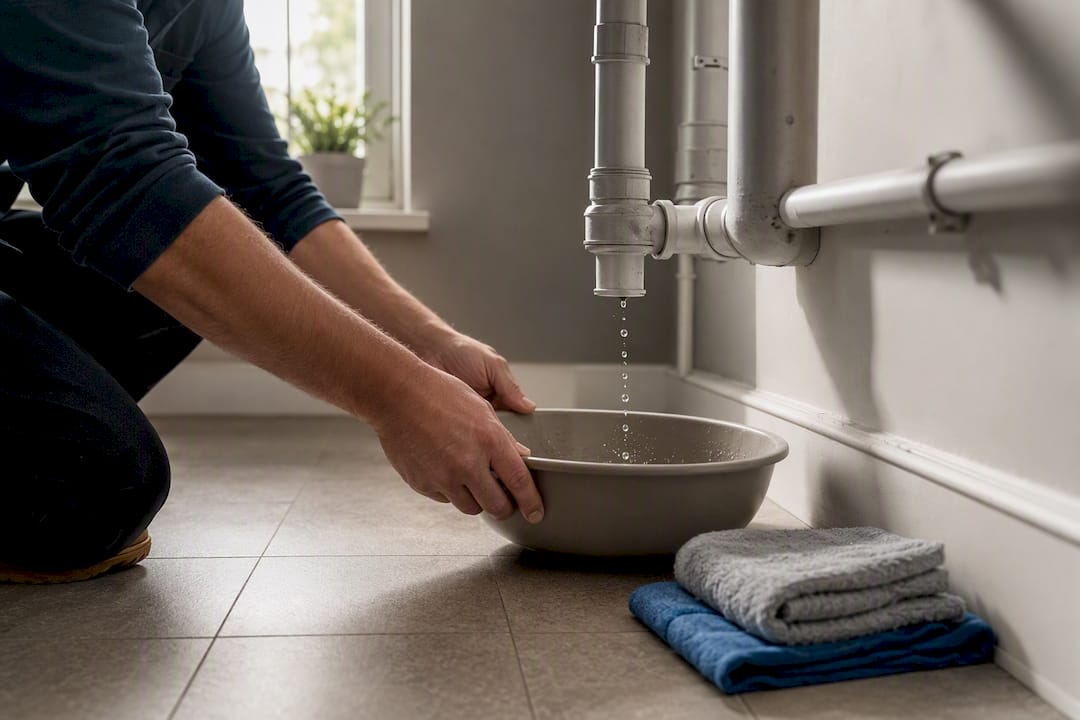
A temporary containment measure, such as towels or a basin under a visible drip, is fine while you wait for someone to attend. It's not a fix, and treating it as one just delays the inevitable call.
How do professionals find a hidden drain leak?
Locating a leak that's buried under a slab or a metre of garden soil isn't guesswork if the contractor has the right kit. Several methods work together, and which one gets used first usually depends on what the visible symptoms suggest.
- CCTV drain surveys send a waterproof camera through the pipe run, recording footage of cracks, root ingress, offset joints, and collapsed sections. This is often the single most definitive test for a drain leak, because it shows the actual physical damage rather than inferring it.
- Acoustic leak detection uses ground microphones to pick up the sound of water escaping under pressure, useful for narrowing down a search area before anyone reaches for a shovel.
- Wet testing involves plugging a drain run between two manholes and filling it with water to see whether the level holds or drops, which confirms a leak exists on that specific section before further investigation.
- Dye testing adds a coloured tracer to water flushed through a suspect pipe, watched for at drains, gullies, or damp patches to confirm where it's escaping.
- Thermal imaging and smoke testing help in specific cases, such as spotting temperature differences from escaping water or tracing air leaks in a system, though they're used less often than CCTV for drains specifically.
Access cutting or excavation only happens once a camera or wet test has pinpointed the exact spot. A competent contractor digs a small, targeted hole rather than trenching the whole garden on a hunch. Combining a CCTV survey with jetting to clear debris first often allows same-day diagnosis, even if the repair itself has to be scheduled separately.
What repair options exist and what drives the cost?
Once a leak is confirmed and located, the repair choice depends on how bad the damage is, how deep the pipe sits, and what's above it.
Temporary fixes like repair clamps, epoxy putty, or waterproof tape can hold a small crack for a few days while you wait for a proper repair slot. They're a stopgap for a minor, accessible leak, and entirely inappropriate for a collapsed section or anything under a structural slab.
Trenchless repair is the middle ground most homeowners hope for. Cured-in-place pipe (CIPP) lining feeds a resin-saturated liner into the damaged pipe and cures it in place, effectively creating a new pipe inside the old one without digging up the garden. Pipe bursting does something similar for more severely damaged pipework, breaking apart the old pipe while pulling a new one through the same path. Both work well for cracks, minor root intrusion, and pipes in reasonable structural condition, but they're not always suitable where a pipe has completely collapsed or shifted out of alignment.
Open excavation is the option nobody wants but sometimes can't avoid, particularly where a drain runs under a slab, driveway, or extension. It costs more because you're paying for groundwork, reinstatement of paving or flooring, and longer labour time on top of the pipe repair itself.
Cost mainly comes down to:
- Pipe material and diameter
- Depth and length of the damaged section
- What sits above it (lawn versus patio versus a structural slab)
- Whether tree roots have caused the damage, since root cutting adds time
- How much surface reinstatement is needed afterwards
A well-executed trenchless lining can last several decades, similar to a new pipe, but always ask what guarantee is offered in writing before agreeing to any repair.
When should you call a professional and what should you ask them?
Some symptoms mean you stop reading guides and pick up the phone.
- Call immediately if you see sewage backing up into a toilet or shower, notice sudden ground movement or cracking near the foundation, spot rapid unexplained movement on your water meter, or watch a damp patch spread visibly over a day or two.
- Ask what detection method they'll use before any digging starts. A contractor who jumps straight to excavation without a CCTV survey or wet test is guessing at your expense.
- Ask for a written CCTV report, not just verbal reassurance. Insurers frequently want documented evidence to process a claim for consequential damage.
- Ask whether the quote is fixed-price or an estimate, and get it in writing before work begins.
- Ask about guarantees on any trenchless lining, patch repair, or excavation work, and get the timescale for both diagnosis and the actual repair.
A trustworthy contractor delivers CCTV footage, an itemised quote, and a clear plan for reinstating your garden or driveway afterwards. Red flags include vague talk about "just needing to dig it up," no written report at all, purely cosmetic patching over a symptom rather than the cause, or reluctance to show you camera footage of what they found.
How can you prevent future drain leaks?
Most underground drain failures are avoidable with a bit of routine attention rather than expensive intervention.
- Avoid flushing fats, wet wipes, and cooking solids, since fatbergs and blockages put pressure on joints further down the line.
- Keep tree roots away from drain runs where possible. If you're planting near an existing pipe, check the route first.
- Book periodic drain jetting and a CCTV check after planting new trees or if you've had repeated blockages on the same run.
- If you're buying a house or taking on a new tenancy, request a homebuyer or landlord CCTV drain survey before completion. Problems found before exchange are far cheaper than problems found after.
- Do a seasonal walk-round: check gullies are clear, look at guttering and downpipes for blockages, and glance at the garden for any patches that look wetter or greener than usual.
Guttering feeding straight into a blocked underground drain run causes more overflow problems than people expect, so keeping gutters clear is worth doing alongside any drain maintenance. A homebuyer CCTV survey before you complete on a purchase can also flag issues the seller never mentioned.
Realistic expectations from a local drain specialist
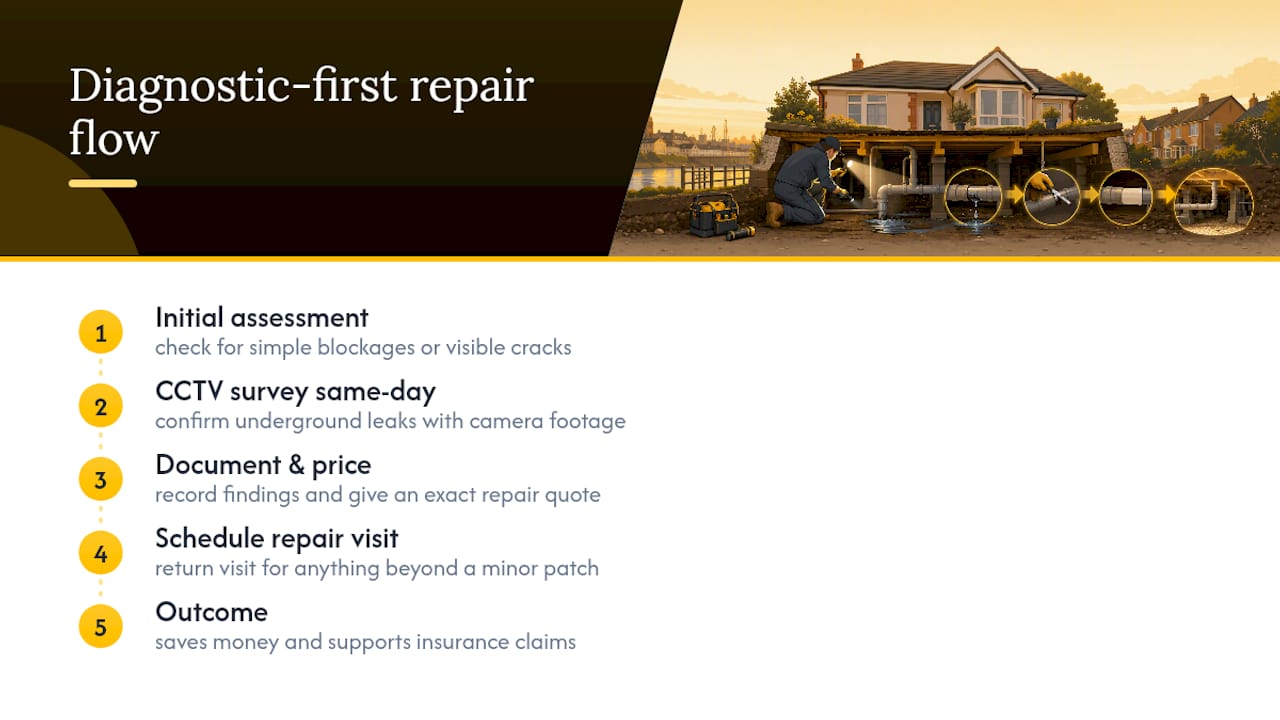
Homeowners often expect drain problems to be diagnosed and fixed in one visit. Sometimes that happens, particularly with a confirmed blockage or a shallow crack a camera can spot straightaway. But a genuine underground drain leak usually needs a same-day CCTV survey to confirm the problem, followed by a scheduled return visit for anything beyond a minor patch.
The single habit that separates a good outcome from a costly one is diagnosing before cutting. A specialist who runs the camera first, documents what they find, and prices the actual repair rather than guessing, saves you money and gives your insurer something concrete to work with.
— Christopher
Need fast help with a suspected drain leak?
If you're in Ellesmere Port, Wirral, Chester, or the surrounding area and you're seeing the signs covered above, Budget Rodz handles exactly this kind of job: CCTV drain surveys, high-pressure jetting to clear the way for a proper camera pass, and the repair work that follows once the leak is confirmed. Callers typically get someone on-site quickly, and every job runs on fixed-price quotes agreed before work starts, so there's no surprise invoice once the camera's gone in.

You get a written CCTV report alongside the visit, useful if you're making an insurance claim or just want proof of what was actually wrong before any ground gets disturbed. For a suspected leak that needs looking at today, the emergency drain unblocking page is the fastest route to getting someone out. If you'd rather understand the full range of what's on offer first, from jetting to CCTV surveys to repairs, the drainage services overview covers it all in one place. Either way, the next step is the same: get a camera on the problem before it gets worse.
Sources
- Spot a leak | Affinity Water
- Drain and Waste Pipe Leak Detection | The Leak Detection Company
- Burst pipes and water leaks | ABI